

India has a rich tradition of yogic saints who mastered the highest states of consciousness. Some of these saints are believed to live far beyond ordinary human lifespans. Mahavatar Babaji and Haidakhan Baba stand among the most famous names in this tradition. People describe them as timeless beings who appear guide seekers and then disappear without leaving normal records of birth or death. This blog explores the lives legends and teachings of these remarkable yogic saints of India.
Mahavatar Babaji: The Deathless Guru of the Himalayas
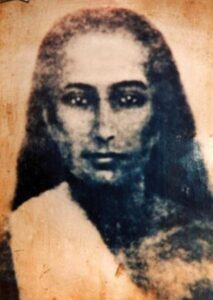
Mahavatar Babaji remains the most mysterious figure among India’s yogic saints. Paramahansa Yogananda introduced him to the world through his celebrated book Autobiography of a Yogi. The book describes Babaji as a guru who has lived in the remote Himalayas for centuries without aging.
Tradition holds that Babaji gave the sacred practice of Kriya Yoga to Lahiri Mahasaya in the nineteenth century. This practice later spread across India and the world through Yogananda’s teachings. No one knows Babaji’s exact birth date or origins. Followers believe he still exists today in a body that does not age or decay. Devotees often call him the Yogichrist of India. They point to accounts linking him to universal spiritual teachings shared across many traditions.
You can find the cave associated with Mahavatar Babaji in Dunagiri near Kukuchhina in the Almora district of Uttarakhand. Many seekers still visit this site today. They hope to experience the same stillness that legendary saints once found there.
Haidakhan Baba: The Saint Who Reappeared in the Twentieth Century
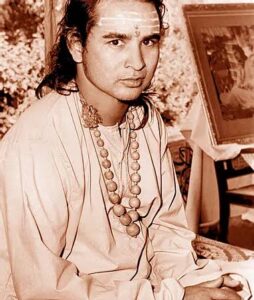
Haidakhan Baba first appeared near the village of Haidakhan in the Kumaon region of Uttarakhand in 1970. He taught openly until his passing in 1984. He gathered a devoted following both in India and across the Western world. People also know him as Haidakhan Babaji or Herakhan Babaji.
Haidakhan Baba’s story stands out because different people saw him in different ways. Some described an elderly man with a long white beard. Others recalled a youthful figure with no beard at all. Witnesses reported seeing him in more than one place at the same time. He also showed deep knowledge of the scriptures despite having no record of formal education.
In September 1970 Haidakhan Baba climbed to a small temple atop Kumaon’s Mount Kailash. He meditated there for forty five days without leaving his seat. In 1971 he testified in a court in Haldwani. He claimed to be the same Old Hariakhan Baba who had been active in the region between 1860 and 1922. The court accepted his claim and confirmed his right to certain ashrams in the area.
Many followers regard him as a Mahavatar. This term describes a divine being who did not take birth through the usual human process. Some devotees go further and describe him as Mahavatar Babaji appearing in a new form for a new era.
Devraha Baba: The Ageless Yogi of the Yamuna
Devraha Baba lived for decades along the banks of the Yamuna river near Mathura and Vrindavan. People widely knew him as the ageless yogi. Very little documentation exists about his early life or exact age. This mystery only added to the aura surrounding him.
Spiritual leaders political figures and ordinary devotees all respected him deeply. He continued his simple ascetic lifestyle until his passing in 1990. His samadhi shrine in Vrindavan remains an important site today. Many devotees visit it seeking blessings and spiritual connection.
Other Legendary Yogic Saints of India
India’s spiritual history includes many other saints known for extraordinary yogic powers and timeless wisdom.
Lahiri Mahasaya revived and popularized Kriya Yoga in the modern era. He received this practice directly from Mahavatar Babaji. His teachings still influence spiritual seekers worldwide through the lineage that eventually reached Paramahansa Yogananda.
Trailanga Swami lived in Varanasi during the nineteenth century. People remember him for extraordinary feats of yogic mastery. He reportedly went without food or water for long periods. Many consider him one of the great Siddha masters of his time.
Neem Karoli Baba gained worldwide recognition in the twentieth century. His simple teachings centered on love service and devotion. His ashram in Kainchi Dham in Uttarakhand still attracts seekers from around the globe. This includes many well known spiritual travelers from the West.
Together these saints represent a broader tradition within Indian spirituality. In this tradition yogic discipline devotion and grace unlock states of being that go far beyond ordinary human experience.
The Significance of Himalayan Saints in Modern Spirituality
The stories of Mahavatar Babaji Haidakhan Baba and other yogic saints continue to inspire seekers across the world. Some approach these figures as historical people. Others see them as symbols of the highest possibilities within yogic practice. Either way these saints remind devotees that the Himalayas remain a living center of spiritual power in Indian tradition.
Their teachings often stress simplicity truth and service to humanity. They also emphasize self realization through consistent practice rather than external ritual. This message still resonates with yoga and meditation practitioners regardless of geography or background.
Conclusion
The legends of Mahavatar Babaji Haidakhan Baba Devraha Baba and other great yogic saints form an essential part of India’s spiritual heritage. Their stories of timeless wisdom mysterious appearances and profound yogic mastery continue to draw pilgrims scholars and spiritual seekers to the Himalayan foothills even today. Exploring their lives offers more than historical insight. It also gives us a deeper understanding of the living tradition of yoga and Sanatan Dharma that continues to shape spiritual practice around the world.https://cleinttest.com/?p=16382


